

Your eyes give you small clues when they need attention. You might notice yourself holding your phone farther away to read a text or squinting a bit to see the TV. These subtle shifts are easy to ignore, but they are often your body’s way of telling you that something has changed.
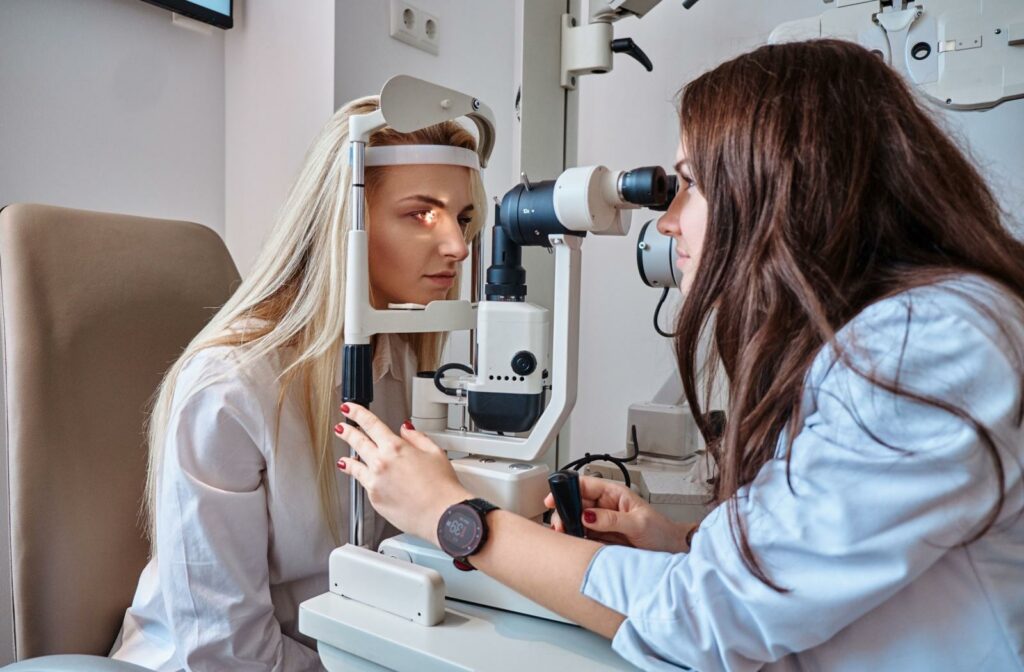
Paying attention to these signs is an important step, as they often indicate the need for a professional eye exam from our team at Pine Creek Vision Clinic. An eye exam does more than check your vision: It provides insight into the overall health of your eyes.
Changes in Your Vision and Clarity
1. Blurry Distance Vision
If you have trouble making out distant road signs, or if the TV isn’t looking as clear as it used to, you may have nearsightedness, which can affect your ability to see things far away. Glasses and contact lenses are a great option for this type of vision problem.
2. Trouble with Vision in the Dark
Driving at night can be challenging when headlights seem to create more glare than usual. You might also find yourself needing more light to read a book in the evening or having difficulty navigating a dimly lit room. These changes may be related to how your eyes handle low light or focus, which can shift with age or vision changes.
Physical Discomfort and Strain
3. Frequent Headaches
If you experience headaches centered around your temples or behind your eyes, it could be connected to an issue with your vision. If the headaches are related to your vision, they may pop up after you spend time reading or working on a computer. This is because your eye muscles may be working overtime to help you see clearly.

4. Tired or Achy Eyes
Do your eyes feel heavy, sore, or strained by the end of the day? This physical discomfort can make you want to constantly rub your eyes for relief. That tired, achy sensation is a common signal that your eyes are under stress, and using a simple method like the 20-20-20 rule can help improve your comfort.
New Visual Events and Sensitivities
5. New Floaters or Flashes
You might occasionally see small specks, spots, or cobweb-like shapes drift across your field of vision. While some floaters are normal, a sudden increase in floaters, flashes of light, or a shadow in your vision can be signs of an eye emergency and should be evaluated right away.
6. Increased Sensitivity to Light
Bright sunlight might make you squint more than it used to, or you could find that standard indoor lighting feels uncomfortably intense. This heightened sensitivity to light can make everyday environments feel overwhelming, but wearing quality protective sunglasses may be able to offer relief outdoors.
If you experience ongoing light sensitivity, it’s something that should be evaluated during an eye exam.
Adjustments to Your Daily Routine
7. A Need to Squint to Focus
Squinting is a natural reflex that attempts to make an unclear image sharper. You may catch yourself doing it without thinking when you watch TV, drive, or try to recognize someone across the room. It’s a habit that often develops when your vision can be improved with the right glasses or contact lenses.
8. Problems with Close-Up Tasks
You may have started holding menus, books, or your phone at arm’s length just to bring the words into focus. This is a classic sign of changes in your near vision, a common condition known as presbyopia that usually develops after age 40.
Your Overall Health and Exam History
9. A Change in Your General Health
Your eye health is connected to your overall health. Conditions like diabetes and high blood pressure can affect the blood vessels in your eyes. A family history of eye conditions also makes regular check-ups a good idea for monitoring your long-term eye wellness.
10. No Memory of Your Last Exam
If you have to think hard about when your last eye exam was, it’s probably been too long. Routine eye health evaluations are an important part of personal care, and for most healthy adults, an exam every 1 to 2 years is a good guideline. If it’s been a few years, it may be time to see an eye doctor in Colorado Springs.
Book Your Next Eye Exam
Your vision is an important part of your life, and any new changes are worth a closer look. Our team at Pine Creek Vision Clinic is here to provide comprehensive eye care for the entire family. Schedule a visit to have your eyes checked today.