
You may notice your vision changes over time, especially if you have nearsightedness, also known as myopia. It is a common concern for many families, wondering if that prescription will keep getting stronger.
So, can your vision get worse? Yes, myopia often progresses with age, especially during childhood and the teenage years, but it usually stabilizes once you reach your early 20s. Exploring the reasons behind these changes is a key part of staying on top of your family’s eye health, which is a main goal of a comprehensive eye exam.
What Is Nearsightedness or Myopia?
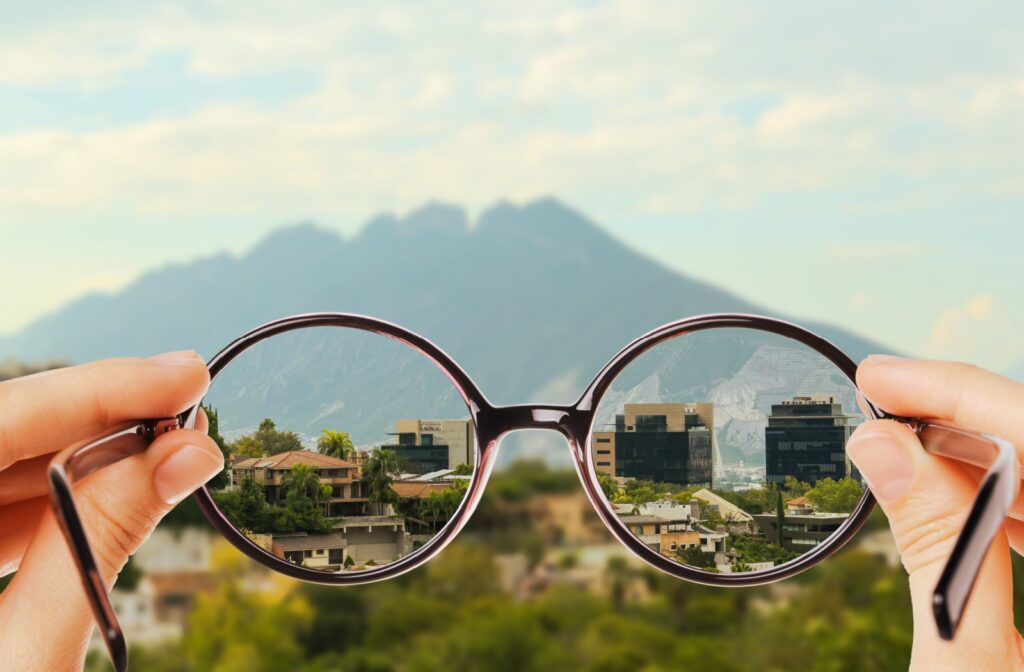
Nearsightedness is a common eye condition that makes distant objects look blurry while things up close remain clear. This refractive error happens when the shape of your eye causes light to focus in front of the retina, the back of your eye, instead of directly on it.
Common Signs of Myopia
- Difficulty seeing distant objects clearly, like road signs or a whiteboard
- A need to squint to see better
- Headaches from eye strain
- A feeling of eye fatigue
Why Myopia Develops and Worsens
Several factors can influence who develops myopia and whether their prescription changes over time. It is often a combination of your family’s genes and your daily habits.
Genetic Factors
Myopia often runs in families. If one or both parents are nearsighted, you or your children have a higher chance of developing it, too. This genetic link is a strong indicator of the condition.
Lifestyle and Environment
Your daily activities also play a part. Spending a lot of time on close-up tasks, like reading, homework, or using digital screens, can contribute to myopia.
To give your eyes a break from screen time, you can use the 20-20-20 rule. Every 20 minutes, look at something 20 feet away for at least 20 seconds. It’s a simple way to help reduce digital eye strain for everyone in the family.
On the other hand, time spent outdoors in natural light may help slow its progression, especially for kids.
The Connection Between Myopia and Age
How myopia changes often depends on your stage of life. The journey is different for a child than it is for an adult, so it helps to know what you might expect.
Myopia in Childhood and Young Adulthood
Nearsightedness usually first appears in late childhood. As a child’s eyes grow and change throughout their teen years, it is common for their myopia prescription to get stronger. This progression is important to monitor, as high levels of myopia can increase risks for other eye conditions later in life.
When Myopia Usually Stabilizes
For most people, the progression of myopia slows down and stabilizes in their early 20s. Once the eyes stop growing, the prescription tends to remain consistent for many years.
Can Myopia Worsen in Adulthood?
While it is less common, some adults may find that their myopia gets worse. This can happen because of visual stress from prolonged near work or other health conditions that affect the eyes, making it important to understand what causes myopia to worsen.
Options to Correct and Manage Nearsightedness
While there is no cure for myopia, many effective ways are available to correct your vision so you can see clearly at all distances.
Eyeglasses and Contact Lenses
These are the most common methods to correct nearsightedness. They work by refocusing light properly onto your retina. A proper contact lens exam and fitting keeps your lenses comfortable and effective, making distant objects look sharp and clear again.
Myopia Management for Kids
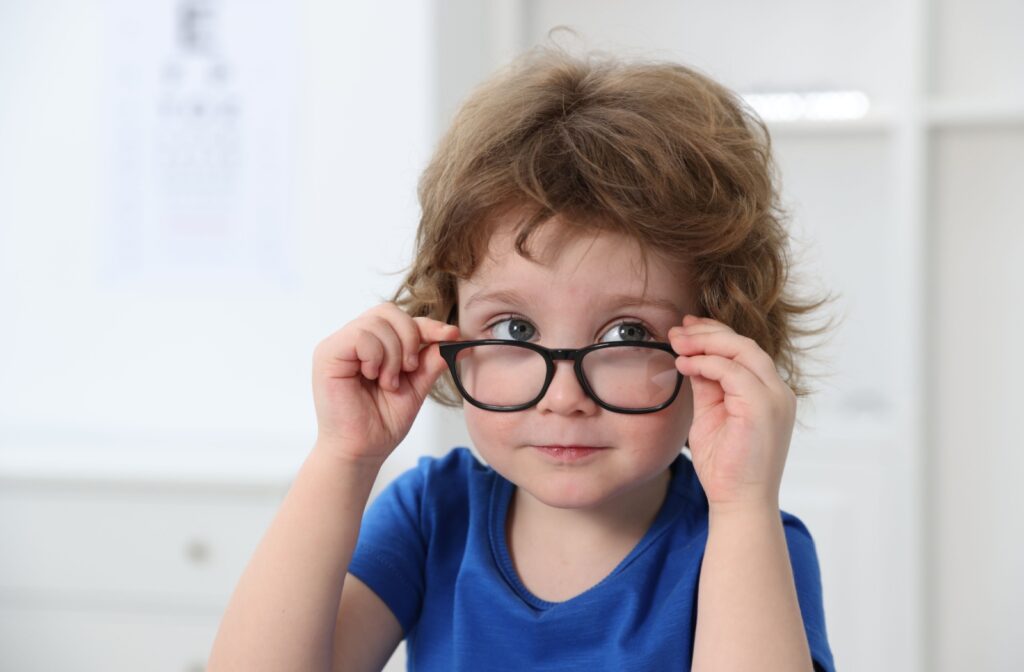
For children whose myopia is progressing, special options are available. Certain treatments, like specific types of contact lenses, can help slow down the worsening of their prescription as they grow.
Refractive Surgery
Adults whose prescriptions have been stable may be candidates for refractive surgery, like LASIK. This procedure reshapes the cornea, the front surface of the eye, to provide clear distance vision.
Regular Eye Exams for a Clear Picture
Regular eye exams are important for the whole family. They help track vision changes and keep prescriptions current. A visit with an eye doctor in Colorado Springs is also an opportunity to check for other eye health conditions, giving you a full picture of your vision and overall wellness.
An eye care professional can give you personalized advice based on your family’s unique needs—from your child’s first eye exam to your own vision care. Your vision is a key part of your daily life, and understanding how conditions like myopia change over time helps you make informed choices. Whether you are managing your child’s first pair of glasses or considering your own vision options, professional guidance is valuable. Our team at Pine Creek Vision Clinic is here to support your family’s eye health journey. Schedule a comprehensive exam today to get clear answers and personalized care for your eyes.